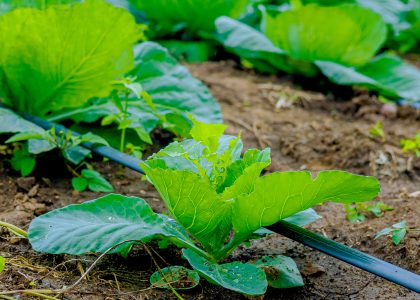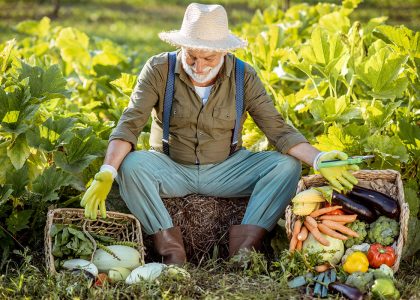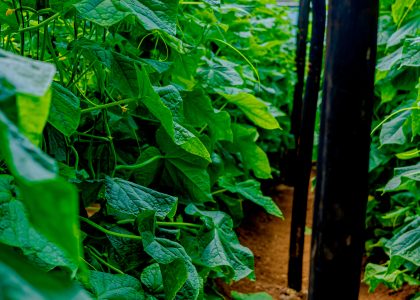

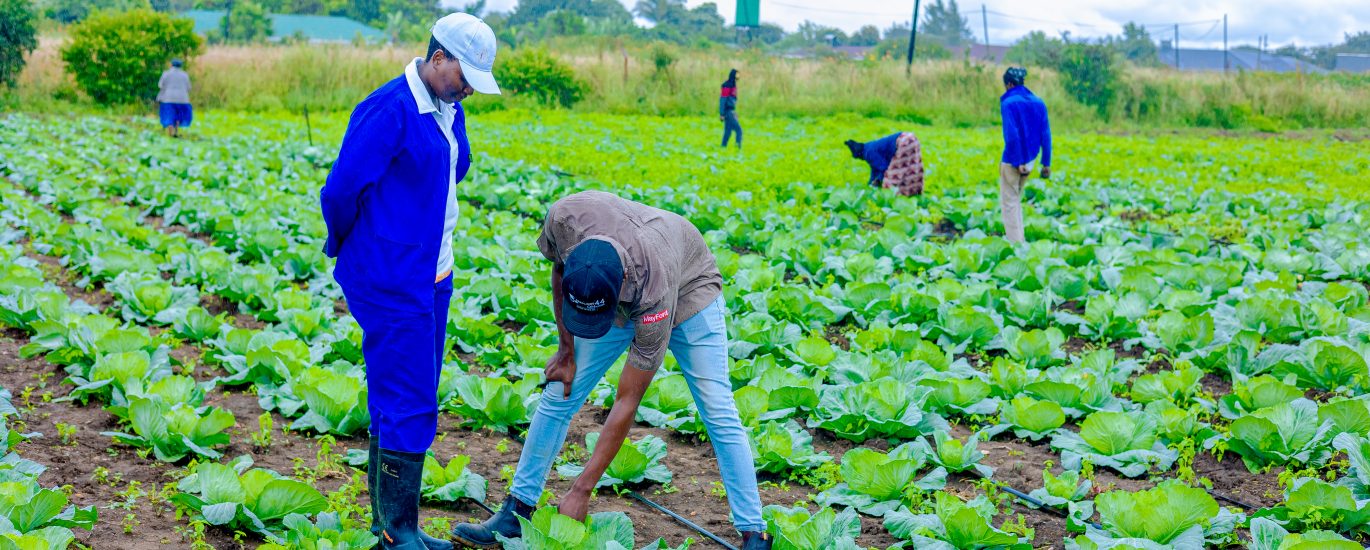
Transplanting is one of the most critical stages in a plant’s life cycle. It is the moment when a fragile seedling leaves the safety of the nursery and must establish itself in the open field or garden. At Seedlings on 44, we achieve a 100% transplanting success rate, and we want to help you do the same. Here are five essential tips to ensure your seedlings thrive after transplanting.
1. Harden Off Your Seedlings Properly
Seedlings raised in a controlled nursery environment are not used to harsh sunlight, wind, or temperature fluctuations. About 7 to 10 days before transplanting, begin the hardening-off process. Gradually expose your seedlings to outdoor conditions for a few hours each day, increasing the time daily. This reduces transplant shock and toughens the plant’s cell structure.
2. Time Your Transplanting Right
Timing is everything. In Zimbabwe, the best time to transplant is during the early morning or late afternoon when the sun is not too intense. This gives your seedlings time to settle into the soil before facing the midday heat. Additionally, always transplant just before the onset of the rainy season if you are rain-fed farming, or ensure your irrigation system is ready.
3. Prepare the Soil Thoroughly
Your soil must be well-prepared before transplanting. Loosen the soil to a depth of at least 20 centimeters to allow roots to penetrate easily. Incorporate well-decomposed compost or organic manure to boost nutrient availability. Ensure the soil pH is suitable for the specific crop you are planting. Healthy soil equals healthy roots, and healthy roots equal a strong plant.
4. Water Deeply and Consistently
Immediately after transplanting, water your seedlings deeply to settle the soil around the roots and eliminate air pockets. For the first week, keep the soil consistently moist but not waterlogged. Overwatering can cause root rot, while underwatering will stress the young plant. A good rule of thumb is to water early in the morning to reduce evaporation losses.
5. Protect Your Young Plants
Young seedlings are vulnerable to pests, diseases, and harsh weather. Use organic or chemical pest control measures as recommended by your agronomist. Consider using shade netting or row covers for the first few days if the sun is extremely harsh. Also, mulch around the base of the plants to retain moisture, suppress weeds, and regulate soil temperature.
Final Thought
Transplanting does not have to be stressful. With careful planning, proper hardening, and consistent aftercare, you can achieve a near-perfect survival rate. At Seedlings on 44, our seedlings are already nurtured to develop strong root systems, giving you a head start. Remember, a successful transplant is the foundation of a bountiful harvest.
Happy growing!
Author: Nyasha Mudumeni (Agronomist)
Date: June 2026